March 18, 2026
Kitchen remodeling can be a daunting task, but with careful planning and consideration, it can also be a rewarding endeavor that enhances the value and functionality of your home. This guide will walk you through the essential steps to successfully plan your kitchen remodeling project. A well-thought-out project can transform your cooking space into a hub of efficiency and aesthetic appeal, seamlessly tailored to your lifestyle needs. Many homeowners envision a more functional layout, modern appliances, and materials that symbolize their personal style. According to the Home Improvement Research Institute, about 39% of homeowners decide to pursue a kitchen remodeling project in the first quarter of each year, from January to March.
Practical Budgeting
Assess Financial Limitations
Before diving into the creative aspects of kitchen remodeling, it is crucial to evaluate your financial capacity. Assessing your financial limitations helps set realistic expectations and prevents financial strain. Establishing a budget will guide decisions on materials, appliances, and the construction work involved in the project. Considering current savings and any allocated funds for investment ensures that remodeling goals are achievable without causing stress.
Estimate Costs
Researching typical costs associated with kitchen remodeling is essential to avoid surprises. Expenses can range from minor updates to full-scale renovations, with labor costs for construction tasks often forming a significant portion of the budget. Materials such as countertops, cabinets, and flooring also require careful planning. Allocating part of the budget toward unforeseen expenses can safeguard against disruptions and maintain project momentum. Considering multiple quotes from contractors and comparing material prices can further help manage costs effectively. Maintaining a clear record of all expenses throughout the project ensures financial decisions remain aligned with the overall budget. Thoughtful cost estimation ensures the project remains on track while preserving quality.
Prioritize Essentials
Determining which features are essential versus luxury items is a critical part of budget management. Essential upgrades may include fixing worn-out appliances, updating lighting, or improving workspace efficiency to enhance usability. Luxury items, such as decorative finishes or high-end materials, can be included if the budget allows. Prioritizing effectively ensures that practical needs are met while providing flexibility for aesthetic enhancements that complement the overall design.
Smart Layouts
Review Current Layout
Analyzing your current kitchen layout is a fundamental first step in any remodeling project. Consider the flow of space, ease of access, and any malfunctioning elements that may hinder functionality. Retaining functional sections can help optimize budget allocation, while identifying areas that require improvement ensures that the redesign addresses specific needs. This evaluation lays the groundwork for a more efficient and enjoyable kitchen.
Explore Layout Options
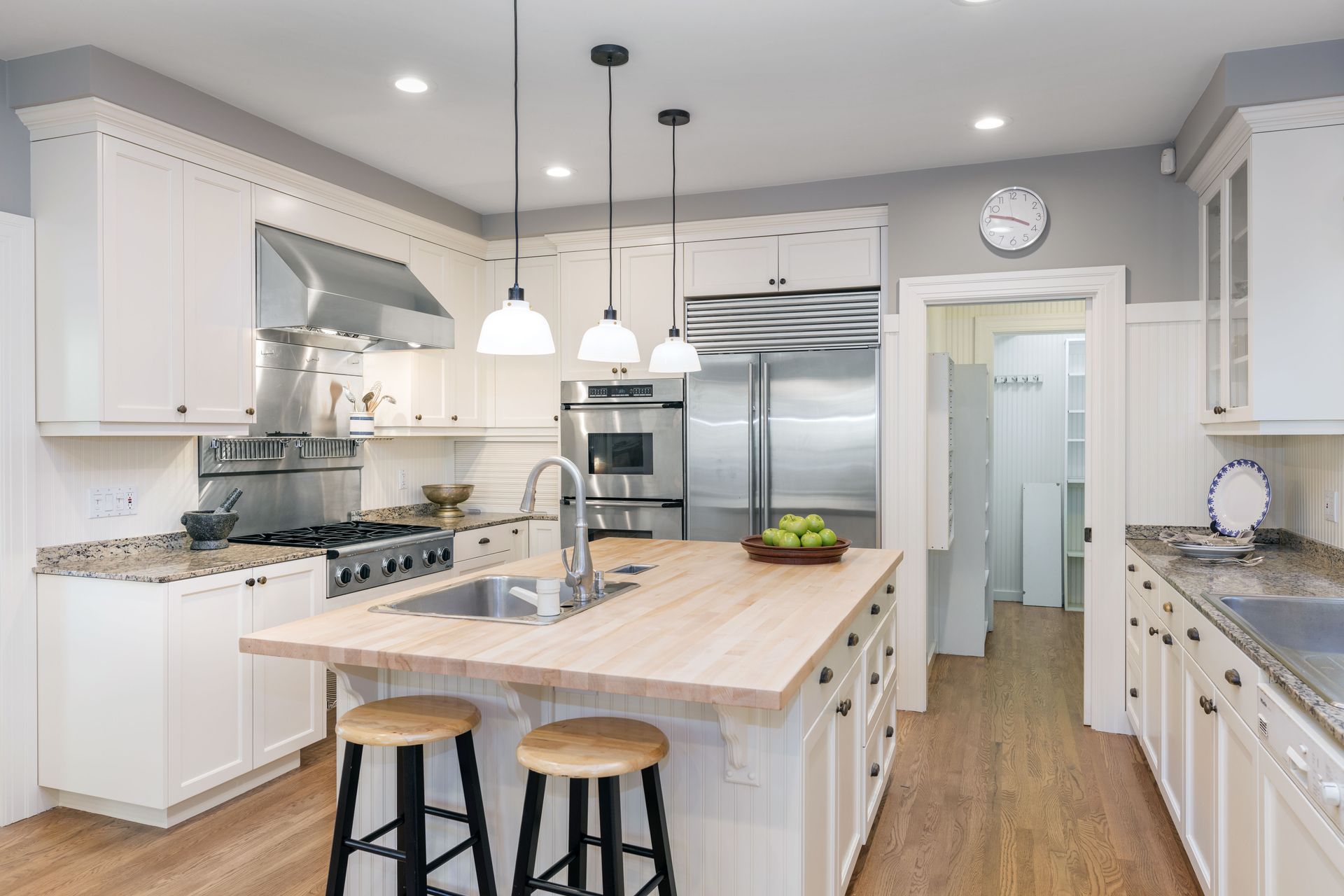
Once the existing layout has been assessed, it is helpful to explore popular kitchen design options. Galley kitchens, L-shaped layouts, and open-concept kitchens each offer unique benefits depending on available space and lifestyle requirements. A galley kitchen is often ideal for narrow areas, whereas an open-concept design enhances social interaction and creates a sense of spaciousness. Selecting a layout that maximizes both functionality and aesthetics ensures a well-organized and visually appealing kitchen.
Maximize Space
Maximizing space efficiency involves designing a kitchen that offers both accessibility and convenience. Proper placement of appliances and countertops facilitates smooth movement and task execution. Utilizing vertical space with taller cabinets or multifunctional furniture increases storage capacity. An efficient design not only reduces clutter but also creates a comfortable environment that improves daily cooking routines and overall usability.
Stylish Materials
Choose Countertops
The choice of countertop material has a major impact on both the aesthetics and functionality of a kitchen. Options include granite, quartz, laminates, and tiles, each with distinct benefits in terms of durability and appearance. Selecting the right material requires considering usage demands, maintenance requirements, and the overall design theme. Countertops play a central role in the workflow and visual appeal of the space.
Select Cabinet Finishes
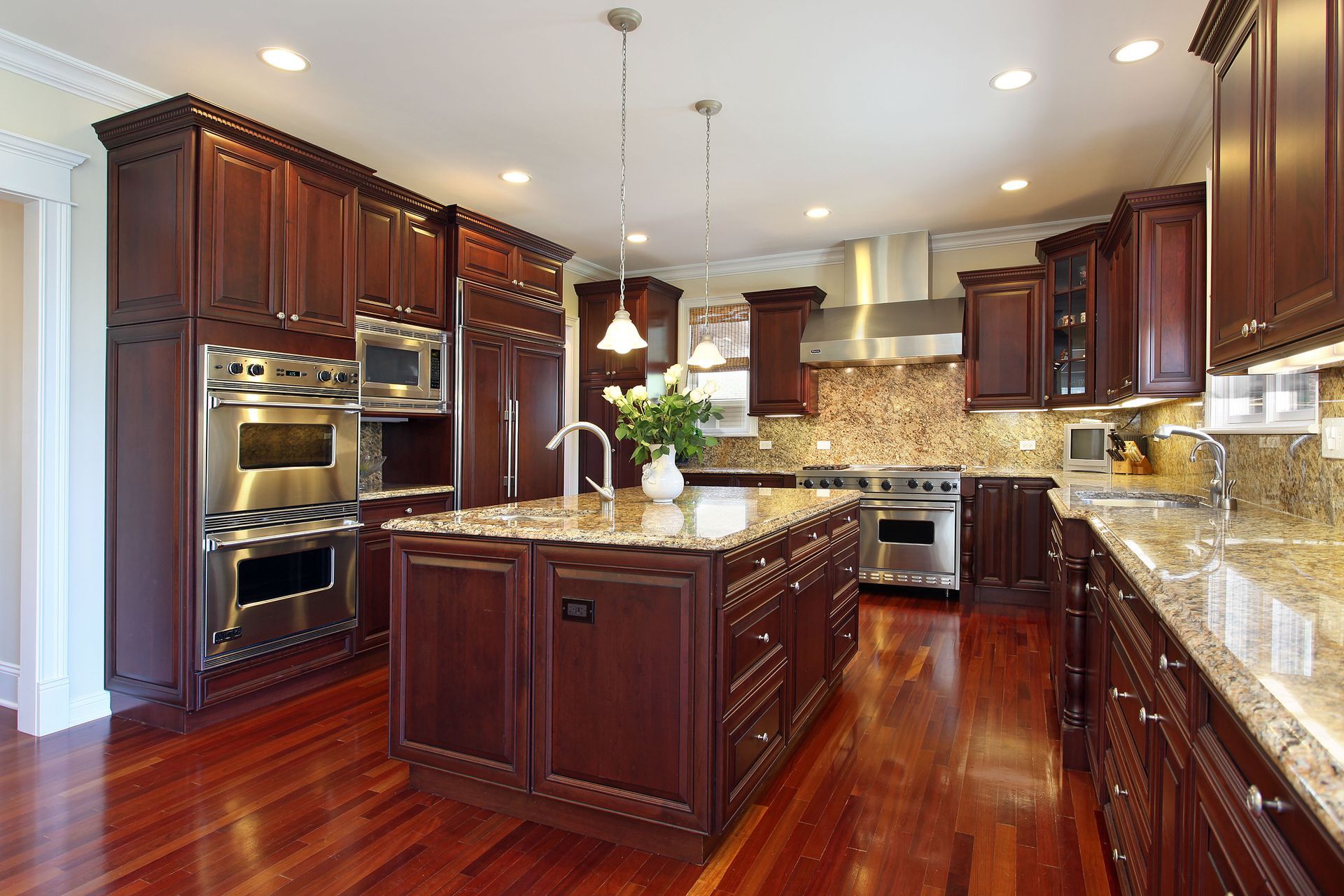
Overall, cabinet finishes dramatically influence the kitchen's appearance and serve as a backdrop for other design elements. Options include solid wood, engineered wood, and composite materials, allowing for a modern or classic style depending on preference. Harmonizing cabinet finishes with countertops, flooring, and other materials creates a cohesive and polished look. Thoughtful selection enhances both aesthetics and functionality.
Decide Flooring
All in all, flooring selection is a critical element in kitchen remodeling, offering both practical and decorative value. Popular options include hardwood, tile, and vinyl, each with distinct benefits and price considerations. Foot traffic, maintenance requirements, and overall style should be considered when making a choice. The right flooring contributes to durability while complementing the kitchen's design scheme and improving usability.
Efficient Appliances
Evaluate Energy Efficiency
Overall, energy efficiency is a key factor when selecting appliances for a kitchen. Energy-efficient models consume less electricity, lowering utility costs and supporting environmentally responsible practices. Features such as induction cooking and advanced refrigeration technologies enhance performance while reducing long-term expenses. Selecting efficient appliances improves functionality and sustainability in the kitchen.
Consider Appliance Size
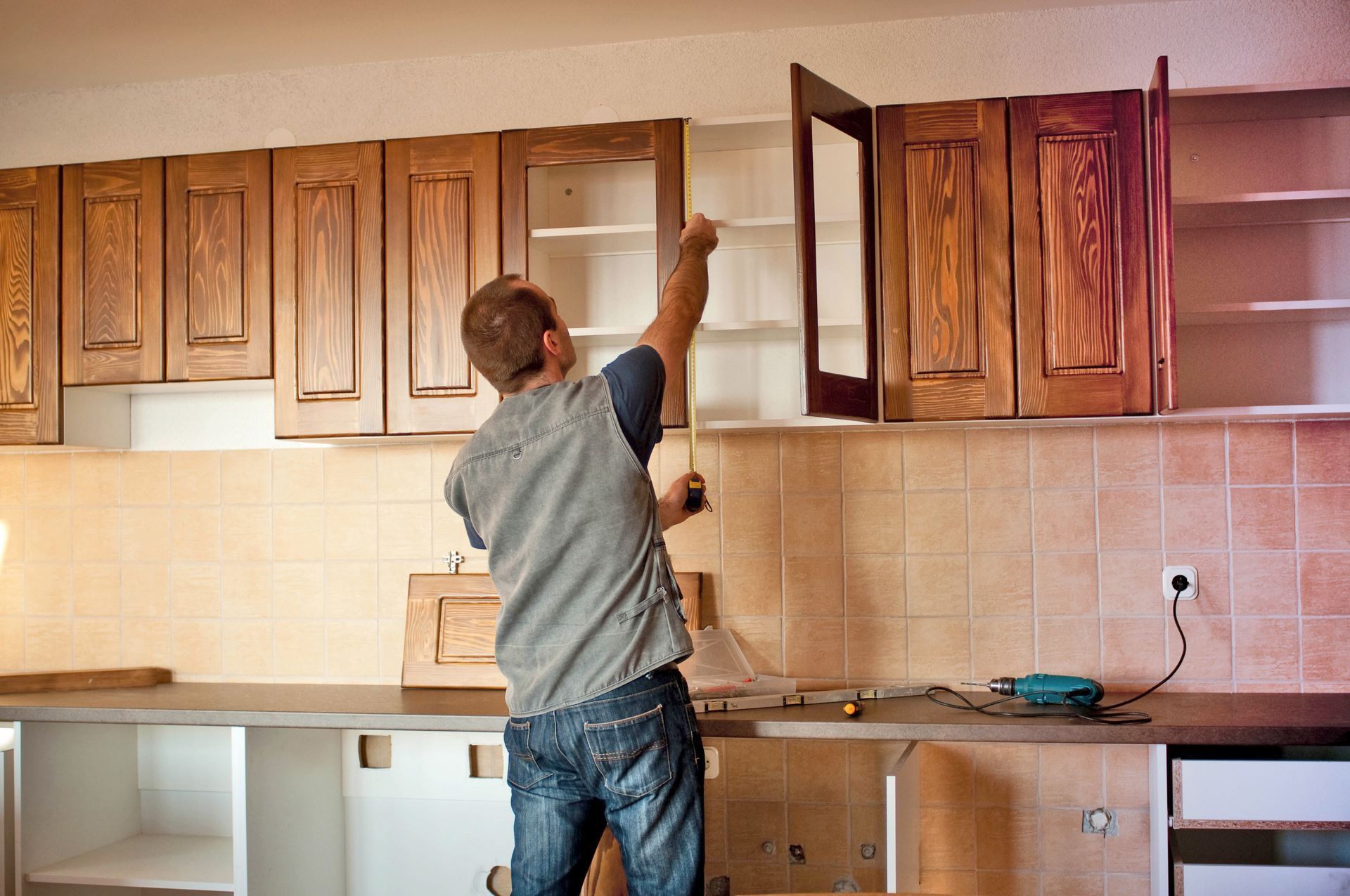
Appliances must fit properly within the kitchen space and accommodate culinary needs. Overly large units may disrupt workflow, while undersized appliances might not meet functional requirements. Assessing capacity based on household size and cooking habits ensures practical usability. Measuring the space carefully before purchasing prevents future issues and creates a harmonious design.
Clear Hiring
Identify Professionals
A successful kitchen remodeling project typically involves multiple skilled trades. Depending on the project scope, homeowners may collaborate with general contractors, electricians, plumbers, and carpenters to complete different stages of the process. Each professional contributes specialized expertise that ensures the project meets safety, functionality, and aesthetic standards. Coordinating these roles efficiently streamlines the remodeling process and improves outcomes.
Research Candidates
Researching potential professionals thoroughly is critical for a successful remodeling project. Reviewing portfolios, seeking referrals, and conducting interviews help evaluate expertise, communication style, and alignment with project goals. Selecting qualified professionals ensures that all stages of the kitchen remodel are executed effectively. Careful research helps prevent delays and supports smooth project progression.
Organized Remodeling
Prepare Kitchen Area
Preparation is essential to minimize disruption during construction. Removing appliances and cabinet contents, protecting adjacent areas, and setting up a temporary kitchen help streamline the remodeling process. Adequate preparation reduces the risk of damage and allows work to proceed efficiently. Taking these steps ensures that the remodeling environment remains organized and safe.
Create Project Timeline
Establishing a detailed project timeline guides the remodeling process from start to finish. Key stages such as demolition, installation, and finishing touches should be scheduled with estimated completion dates. Regular updates and adjustments to the timeline maintain project momentum and prevent delays. A clear schedule ensures tasks are completed efficiently and in proper sequence.
Resolve Challenges
Unforeseen challenges can arise during a remodeling project, requiring flexible problem-solving. Adjusting plans, reallocating resources, and collaborating with professionals helps maintain momentum while preserving quality. Preparing for potential obstacles ensures that the project progresses smoothly and meets established objectives. Proactive management of challenges minimizes disruption and maintains design integrity.
Working with experienced remodeling professionals can simplify the process and help bring our kitchen vision to life. Skilled contractors can coordinate electrical work, plumbing updates, flooring installation, cabinetry improvements, and layout adjustments so every element of the kitchen works together. Homeowners planning a renovation can explore our options and discuss project goals with the team at Boates Brothers General Contracting to determine the appropriate approach for our kitchen remodeling project.